
In many established Sacramento neighborhoods like Land Park, East Sacramento, and Midtown, homeowners often notice their garage doors starting to operate unevenly. The door might shake on one side, rise higher on the left than the right, or make unusual noises during opening and closing. This issue becomes more common in homes built 40 to 80 years ago, where the original garage door systems have aged alongside the house.
Uneven movement isn't just annoying—it can signal bigger problems that affect safety and reliability. Sacramento's mix of hot summers, rainy winters, and occasional seismic activity puts extra stress on these systems. What starts as a small hitch can quickly turn into a door that gets stuck or fails completely if ignored.
Fortunately, understanding the common causes helps homeowners take smart steps. Many of these issues develop gradually due to normal wear, environmental factors, and the natural settling of older structures.
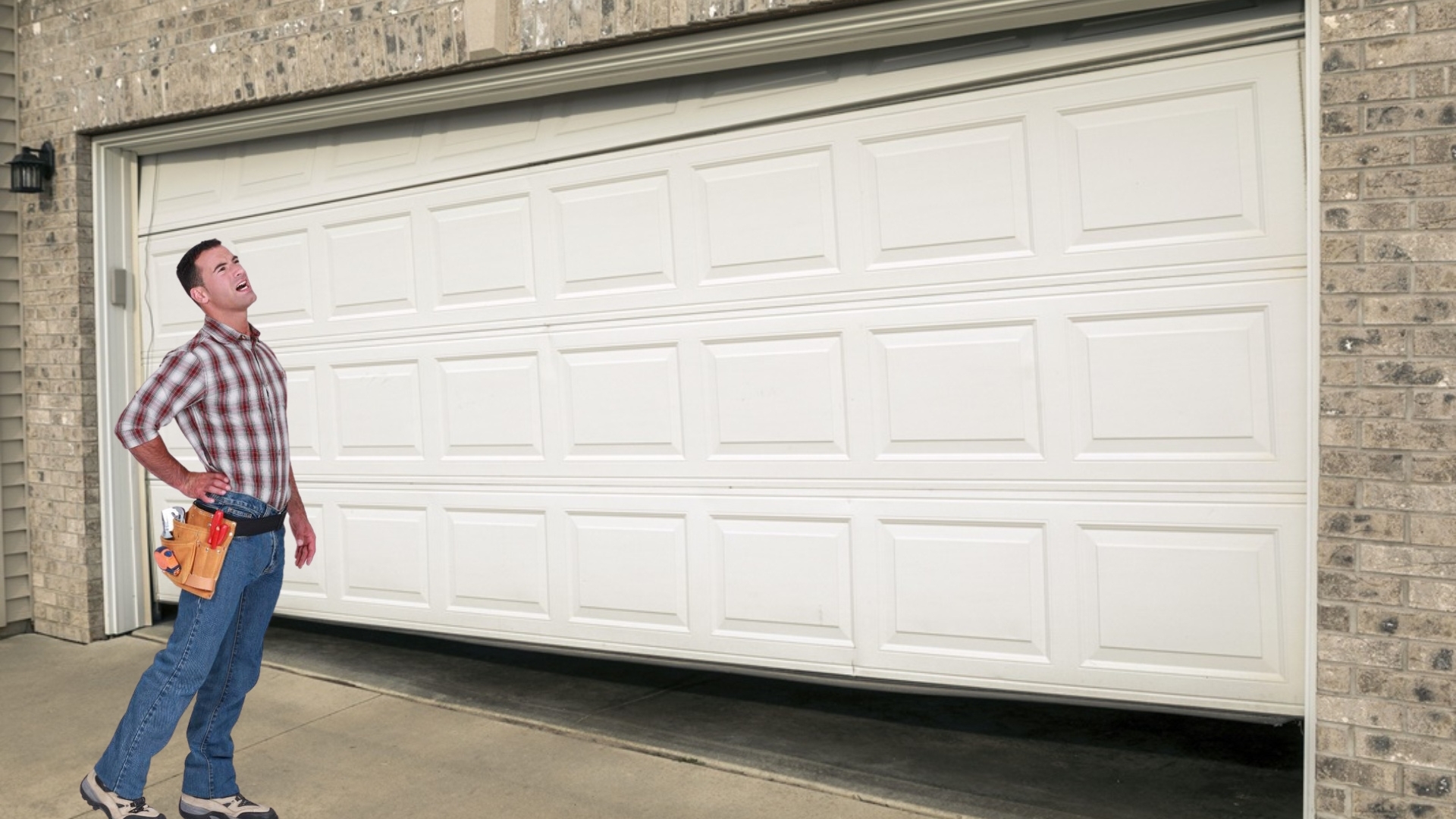
Garage doors in older Sacramento homes contain many moving parts that simply wear down over decades of daily use. Springs, rollers, cables, and hinges all experience constant tension and motion. After 20 or 30 years, these components lose their original efficiency, leading to unbalanced operation.
Many older doors still use torsion springs or extension springs that stretch and weaken. When one side weakens more than the other, the door begins to tilt or bind during movement. This creates the jerky, uneven motion many homeowners observe.
Regular use in a busy household speeds up this process. Families going in and out multiple times a day add thousands of cycles each year to an already aging system.
Sacramento experiences hot, dry summers and cooler, wet winters. These temperature swings cause materials to expand and contract repeatedly. Metal tracks and panels react to this weather, slowly changing alignment over time. Humidity during the rainy season can also affect wooden garage doors common in older homes.
The dry summer heat makes lubricants thicken or disappear, causing parts to grind instead of glide. Then winter rains introduce moisture that leads to rust on metal components. This combination creates friction points that make the door move unevenly.
Homeowners near the American River or in low-lying areas may see even more impact from seasonal moisture changes affecting their garage foundations and door frames.
Many Sacramento homes from the 1940s through 1970s were built on foundations that have settled over decades. Even small shifts in the concrete slab or soil movement can tilt the garage door frame. When the frame is no longer perfectly square, the door travels unevenly along its tracks.
This settling often happens so gradually that homeowners don't notice until the door starts catching or making noise. In some older neighborhoods, clay-rich soil expands and contracts with moisture, adding extra pressure on structures.
When the door frame twists even slightly, the rollers on one side bear more weight, causing binding and uneven lifting. This is especially common in homes that have never had foundation adjustments.
The metal tracks guiding your garage door must stay perfectly aligned. In older homes, these tracks can bend, twist, or pull away from the wall due to years of use and house movement. Rollers that ride inside these tracks also wear down, becoming flat or cracked.
When rollers don't move freely, the door struggles on one side more than the other. This creates the side-to-side imbalance many Sacramento homeowners notice. Dirt, dust, and old grease buildup make the problem worse.
CV Garage Doors has helped many local homeowners address these track and roller issues before they lead to bigger repairs.
Properly balanced garage doors should move smoothly with minimal effort. In older systems, springs lose tension at different rates. One spring might weaken faster, making that side of the door heavier and harder to lift evenly.
Technicians often find that homeowners in older Sacramento homes have doors that are significantly out of balance. This puts extra strain on the opener motor, causing it to work harder and sometimes resulting in jerky movements.
For reliable service and fair pricing, many homeowners turn to CV Garage Doors for expert help with aging garage door systems.
Adjusting spring tension requires experience and proper tools. Incorrect adjustments can create dangerous situations with high-tension springs.
Many garage door problems in older homes trace back to simple lack of maintenance. Without regular cleaning and lubrication, parts dry out and create friction. Sacramento's dusty summers make this even more important as fine particles collect on moving components.
Homeowners who skip annual inspections often discover problems only after uneven movement begins. Simple tasks like cleaning tracks and lubricating rollers can prevent many issues from developing.
Professional maintenance helps catch small problems early. This is especially valuable for homes with original or decades-old garage door equipment.
If you're looking for professional repairs in the Sacramento area, CV Garage Doors has earned a strong reputation for quality workmanship on older homes.
When the door moves unevenly, the automatic opener works much harder. This extra strain can cause the motor to overheat or fail. In older Sacramento homes, many openers are also aging and may have outdated technology that struggles with imbalanced doors.
Electrical connections can loosen over time, especially with temperature changes. Sensors might become misaligned, causing the door to reverse or hesitate during operation. These issues compound the uneven movement problem.
Modern openers often include better safety features, but they still need a properly balanced door to work their best.
Sometimes uneven garage door movement points to issues beyond normal wear. Recurring vibration issues may indicate serious alignment problems that need prompt attention to avoid sudden failure or safety risks. Addressing these early prevents more expensive repairs later.
Pay attention to changes in sound, speed, or resistance when your door operates. Grinding noises, sudden jerks, or doors that drift after stopping are all warning signs worth investigating.
Professional evaluation helps determine whether simple adjustments will solve the problem or if larger repairs are necessary for long-term reliability.
Older garage doors in Sacramento have provided reliable service for many years, but they eventually show their age through uneven movement. By recognizing common causes like worn parts, settling foundations, and climate effects, homeowners can make informed decisions about repairs.
Regular attention to these systems keeps them operating safely and smoothly. Many issues that start small can be fixed before they affect daily routines or create hazards for family members.
Every Sacramento home has its own history and unique challenges. Taking time to understand your specific garage door situation helps maintain both convenience and safety for years to come.
CV Garage Doors (previously known as Tai's Garage Doors & Locksmith), based in Roseville (109 Darling Way, Roseville, CA 95678), delivers an expert garage door repair service built on the honest commitment of reliable, professional, and customer-focused solutions, backed by years of experience. The firm provides a comprehensive range of solutions for homeowners and businesses seeking reliable garage door spring replacement, garage door motor repair, and full garage door services, including new installations, opener replacement (LiftMaster and other major brands), cable and track repairs, panel replacements, spring tuning, emergency repairs, and preventative maintenance using high-quality parts. Recognized for its quality workmanship and 4.8-star rating, its team of experienced technicians operates with extended hours (often 7 AM - 7 PM or later for emergencies) and can be contacted on its primary line, (916) 352-2273.
Name: CV Garage Doors
Address: 109 Darling Way, Roseville, CA 95678
Phone: (916) 352-2273
Website: https://www.cvgaragedoorrepair.com/